Tarsier®
Runway Surface Awareness
Reliable. Predictable. Proven.
Tarsier is an airfield Foreign Object Debris (FOD) detection system that complements runway inspection programs, strengthens response decisions and protects runway availability.
The U.S. Federal Aviation Administration (FAA) evaluation of the Moog Tarsier system indicated high performance in detecting diverse FOD materials while operating consistently in adverse weather conditions.
Tarsier has been in continuous use across multiple airfields for almost 20 years.
Improving Runway Safety and Availability

Complements inspections
Adds continuous monitoring between existing inspection rounds and FOD prevention activities.

Supports faster decisions
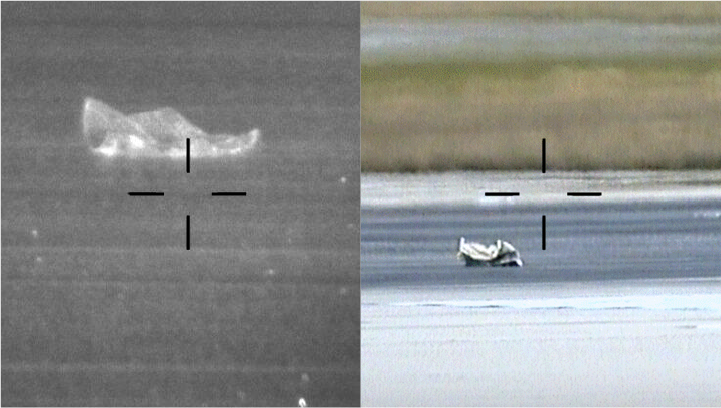
Camera-confirmed alerts help teams decide whether to inspect, continue, close, reopen or escalate.

Protects operations
More precise information can reduce uncertainty during runway-impacting events.

Builds evidence
Detection records, imagery and response notes support safety assurance and prevention.
Tarsier complements existing runway inspection standards
1
Scheduled controls
Routine inspections, patrols, sweeps, works controls and FOD walks remain essential.
2
Continuous detection
Tarsier monitors runway surfaces between those planned controls.
3
Camera confirmation
MADS provides map location and visual context before dispatch.
4
Targeted response
Responders investigate the right location with better information.
5
Prevention data
Records support hotspot reviews and root-cause reduction.

Tarsier is an additional layer of continuous detection, confirmation and evidence that strengthens the current procedures already in place.
Long-range radar, automatic camera confirmation and alerting
750m
Baseline detection range
1,000m
Extended range
1m
Typical location accuracy
100k
MTBF hours
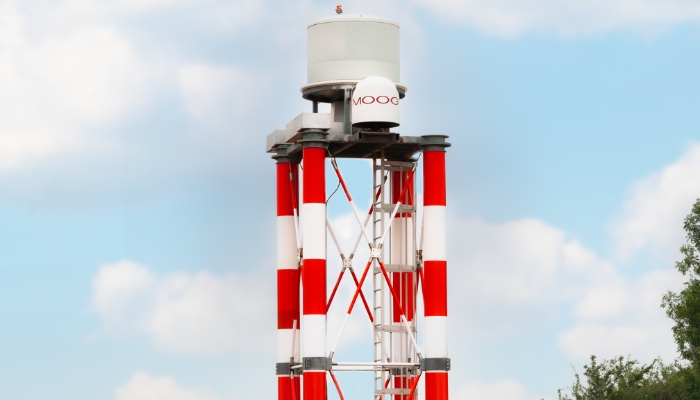
One or multiple Tarsier units are sited across the airfield, typically around 200m / 650 feet from the runway centreline. The radar automatically scans through a defined arc and sends alerts to accompanying software system (MADS) when FOD is detected.
Active sensing via radar detection supports operation in low light, zero light and difficult weather. Camera confirmation via live imagery helps users understand the object and choose the right response.