


Our Hertiage
Throughout the Years
-
November 2022
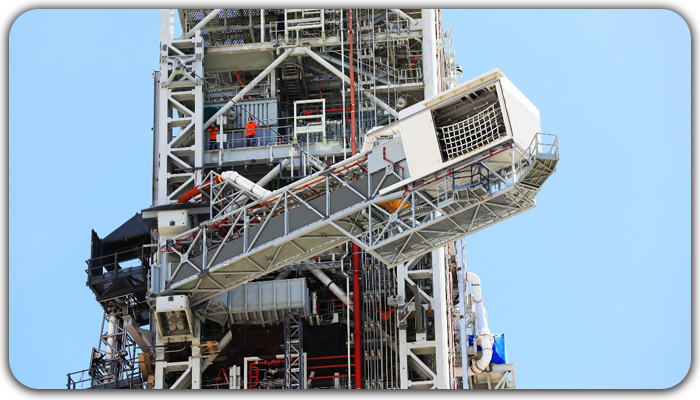
Moog actuators have been used in some capacity on almost every NASA launch that has utilized the mobile launch platform since Apollo. That includes the latest #Artemis launch! The actuators rotate the different gantry arms away from the vehicle at the time of launch in under a second.
-
July 2022
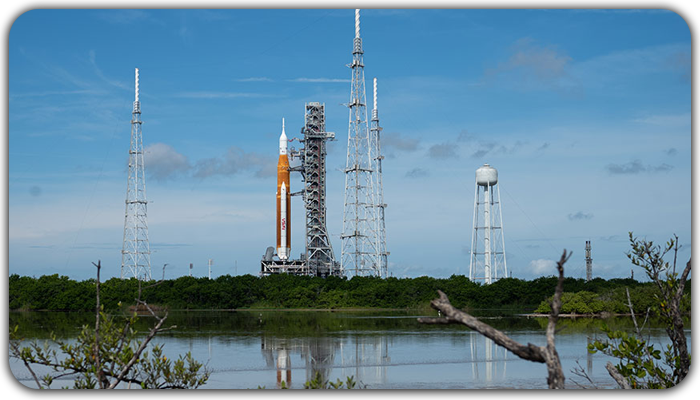
Artemis 1 Launch Date Announced. Since the announcement of SLS and Orion in 2011, Moog has had more than 500 employees across several states working on the various programs associated with Artemis 1.
-
May 2019
NASA announces their new program to return Americans to the Moon will be named Artemis.
-
September 2011
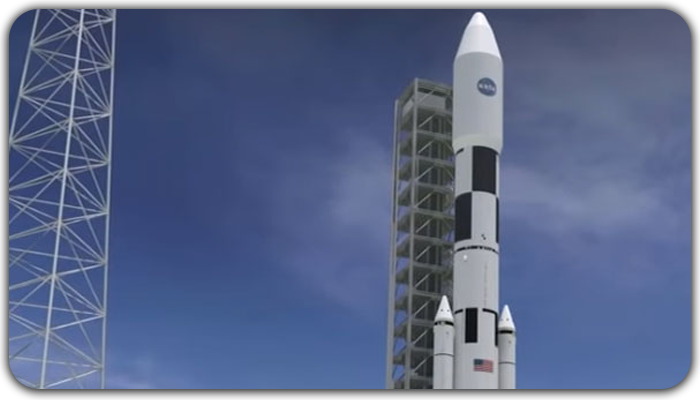
NASA announces design for the Space Launch System, or SLS, rocket. It is the most powerful rocket ever built. It is powered by four RS-25 rocket engines that Moog thrust vector control actuators steer. Moog has actuators on each of the stages of the rocket.
International Space Station Era
1984 - 2001
-
February 2001
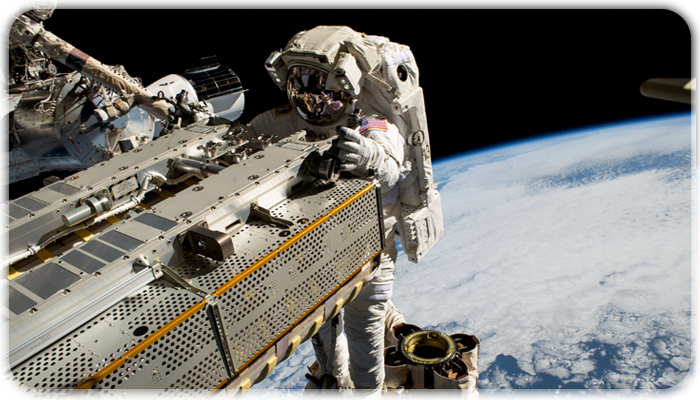
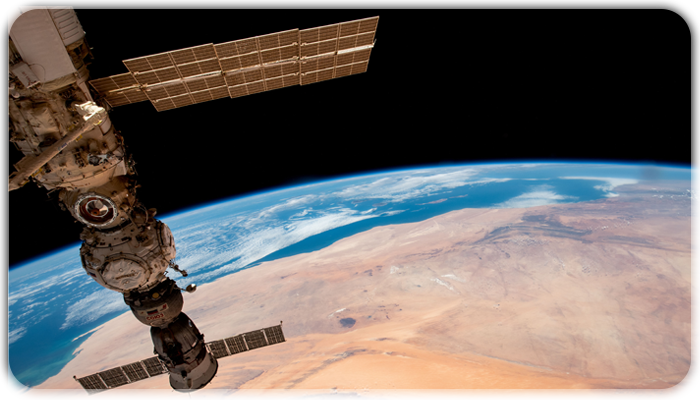
Destiny, the U.S. Laboratory module, becomes part of the station. The lab increased onboard living space by 41%.
-
November 2000
The first crew resides on the International Space Station. NASA Astronaut Bill Shepherd and cosmonauts Yuri Gidzenko and Sergei Krikalev become the first crew to reside onboard the station. Expedition 1 spent four months onboard completing tasks necessary to bring the ISS "to life.”
Shuttle Era
1972 - 2011
-
November 1998 – July 2011
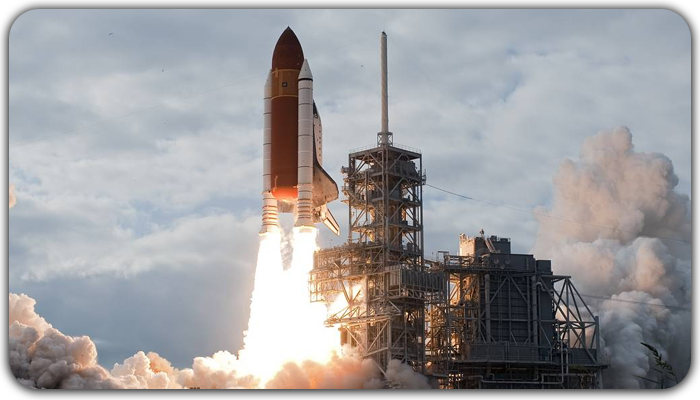
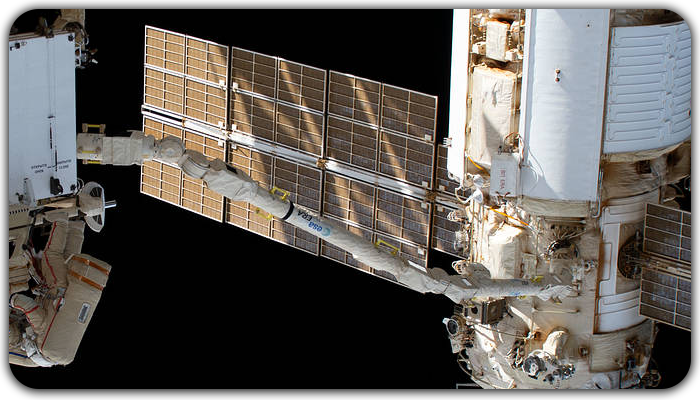
Shuttle program begins launching components of the International space station to issue in a new era of living and working in space.
-
March 2002 - 1990
Moog vibration dampers are installed on the solar arrays during Shuttle Mission STS 109 to reduce vibration and jitter to ensure clear photos. More than 20 years later, scientists confirm Moog’s hardware is still performing as well as it did on day 1!
-
February 1984
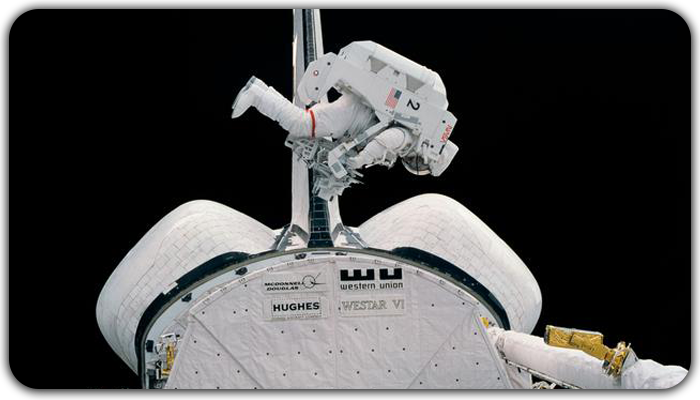
Moog supports astronauts Bruce McCandless II and Robert L. Stewart during their extravehicular activities in space. Moog cold case thruster support the Manned Maneuvering Unit (MMU), which is a backpack propulsion device that gave astronauts mobility for extravehicular activities outside the Space Shuttle. The MMU was used on three shuttle missions during 1984.
-
June 1983
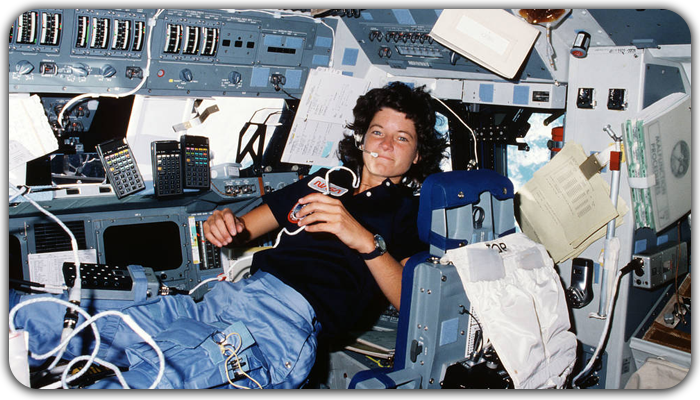
Sally Ride becomes the first American woman in space. Moog actuators were critical during take off, reentry, and landing. Our technology also supported the propulsion system and controlled the Auxiliary Power Unit on the Orbiter.
-
April 1981
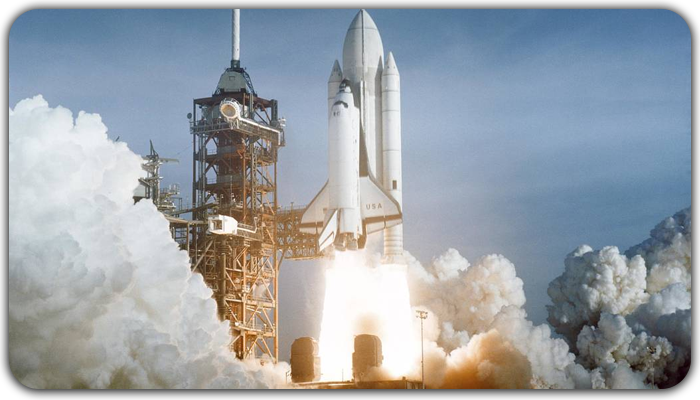
STS-1 (Space Transport System-1) is the first launch of NASA’s Space Shuttle Program. Astronauts Joh Young and Bob Crippen piloted space Shuttle Columbia. Moog supported the shuttle program in several areas, including main engine thrust vector control actuators, orbiter inboard and outboard elevon actuators, and sold rocket booster TVC actuators. Our valves also supported the propulsion system and Auxiliary Power Unit.
Apollo Era
1961 - 1972
-
December 1972
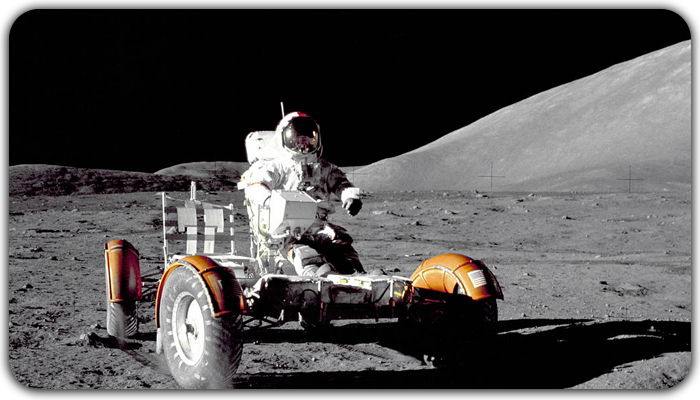
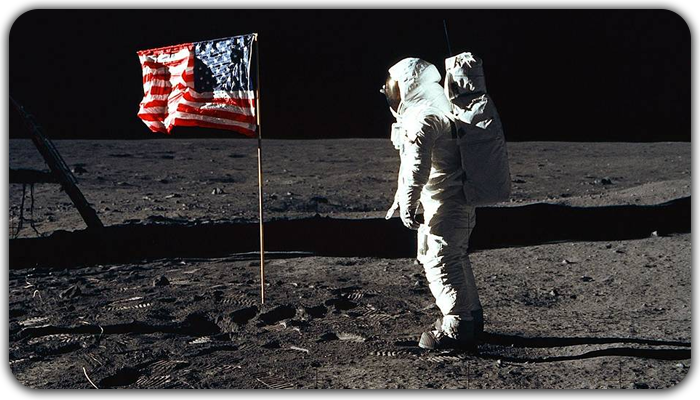
This is the final time Americans step on the moon.
-
July 1969
The first Astronauts land on the moon during Apollo 11. Once the astronauts landed on the Moon, one Bell ascent engine was responsible for getting them off the surface and back into lunar orbit. There was no backup. If the engine failed, the astronauts would have been stranded on the Moon. Bell Aerospace, now part of Moog, built in many safety features and redundancies so it would always work, and it did, ensuring all 12 Apollo astronauts who landed on the Moon made it home safely.
-
July 1969
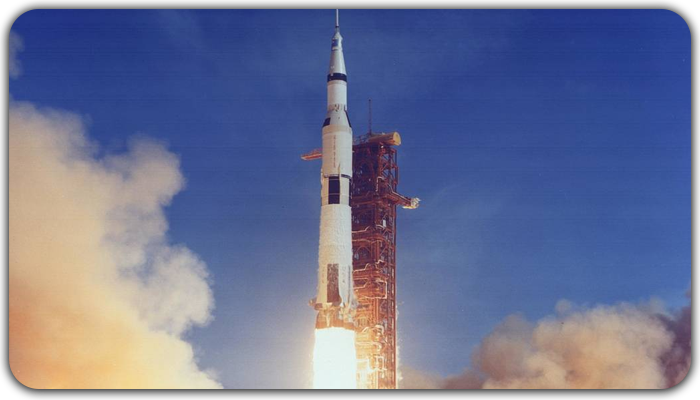
Apollo 11 Launches. Before we could get astronauts to land on the Moon during Apollo 11, NASA had to figure out a way to train them to fly on the Moon. They would be practicing these maneuvers on Earth for something they’d have to do in 1/6th of the gravity on the Moon. NASA came to Bell Aerospace in Niagara Falls, now part of Moog, to build a lunar landing training vehicle. They simulated the Moon’s gravity by having a jet engine in the middle of the vehicle controlled by computers that canceled out 5/6ths of its weight. So, when it was flying here on Earth, it felt like it would in lunar gravity. All the Apollo astronauts who flew on the Moon had extensive training on this vehicle.
-
May 1969
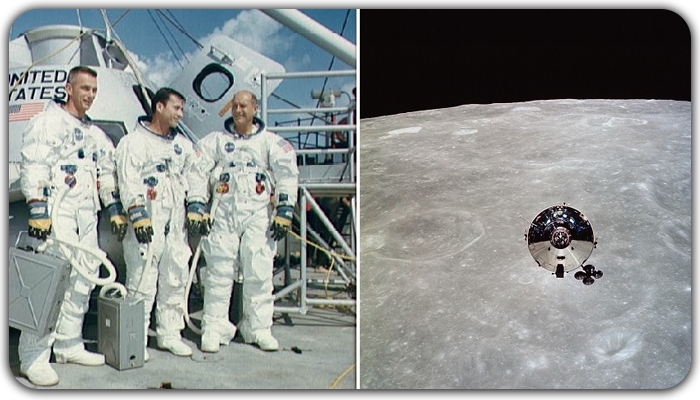
Apollo 10 encompassed all aspects of an actual crewed lunar landing, except the landing. It was the first flight of a complete, crewed Apollo spacecraft to operate around the Moon.
-
March 1969
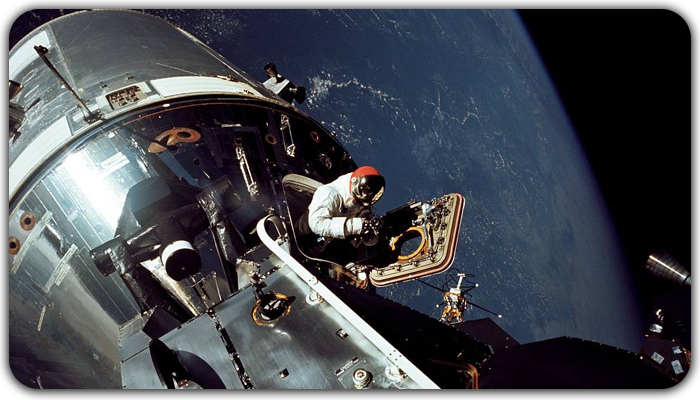
Apollo 9 was the first crewed flight of all Apollo lunar hardware, as well as the first crewed flight of the lunar module. The primary purpose was to test the systems, rendezvous procedures, and docking procedures of the Lunar Module.
-
December 1968
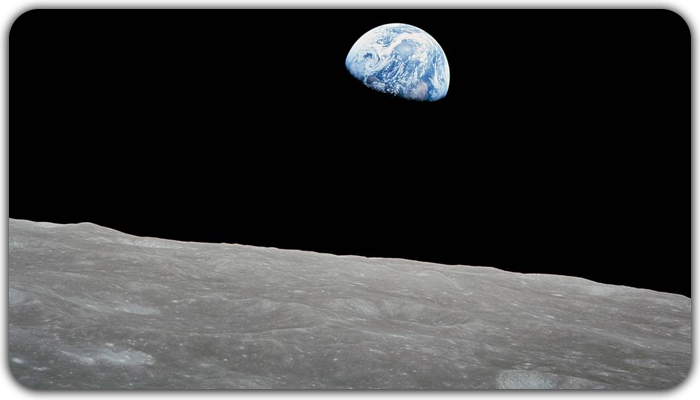
Apollo 8 was the first crewed mission to orbit the Moon. At a time when nobody had ever flown more than 850 miles above the earth, NASA committed to fly astronauts the 240,000 miles to the Moon. An impressive feat that Moog helped launch. Moog hydraulic thrust vector control actuators steered the Saturn 5’s rocket engines on the first, second, and third stages. That final stage was the most critical as that single engine, steered by two Moog actuators, is what took the command module out of Earth’s orbit and to the Moon on all the lunar Apollo missions. Those absolutely had to work because there was no backup. If they failed, the mission would fail.